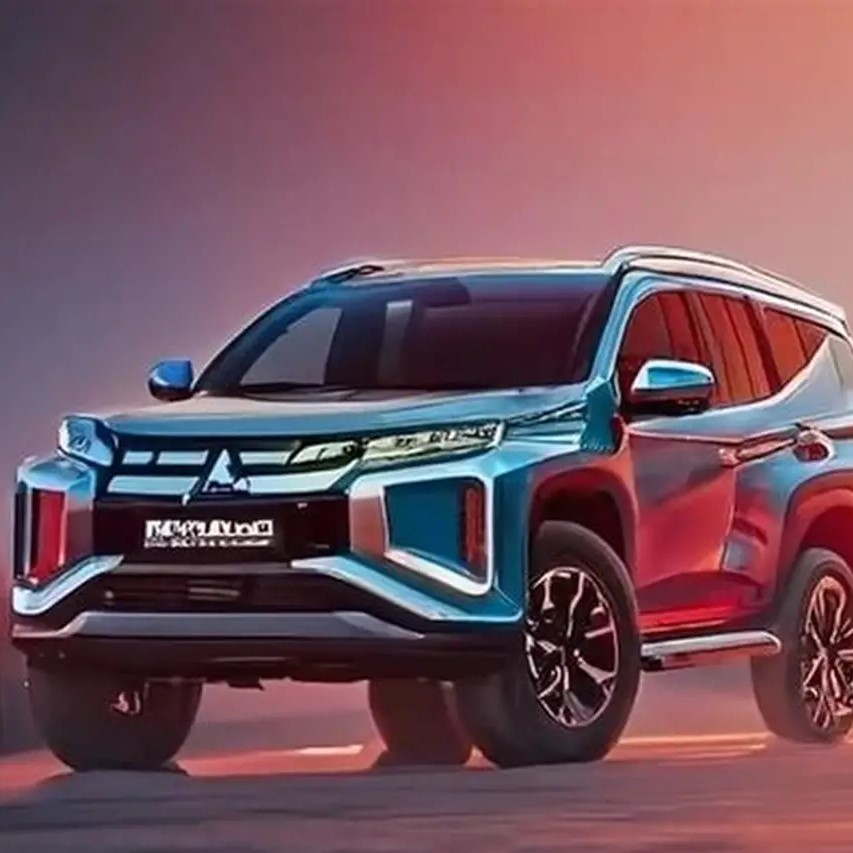
The Mitsubishi Pajero: From Desert Rallies to Daily Drives
The Mitsubishi Pajero has earned a well-deserved reputation as one of the most durable and capable off-road SUVs ever built. Known for its rugged engineering and dominance in rally racing, this iconic vehicle has captured the loyalty of drivers across continents. From desert dunes to mountain trails, the Mitsubishi Pajero delivers confidence, power, and reliability in extreme conditions.
Originally introduced in 1982, the Pajero was designed to conquer the grueling Dakar Rally. Over the decades, it evolved into a family-friendly SUV while maintaining its core strengths. Even though production ended in 2021, its legacy lives on through a passionate global fanbase. Today, used models remain highly sought after for their toughness and versatility.
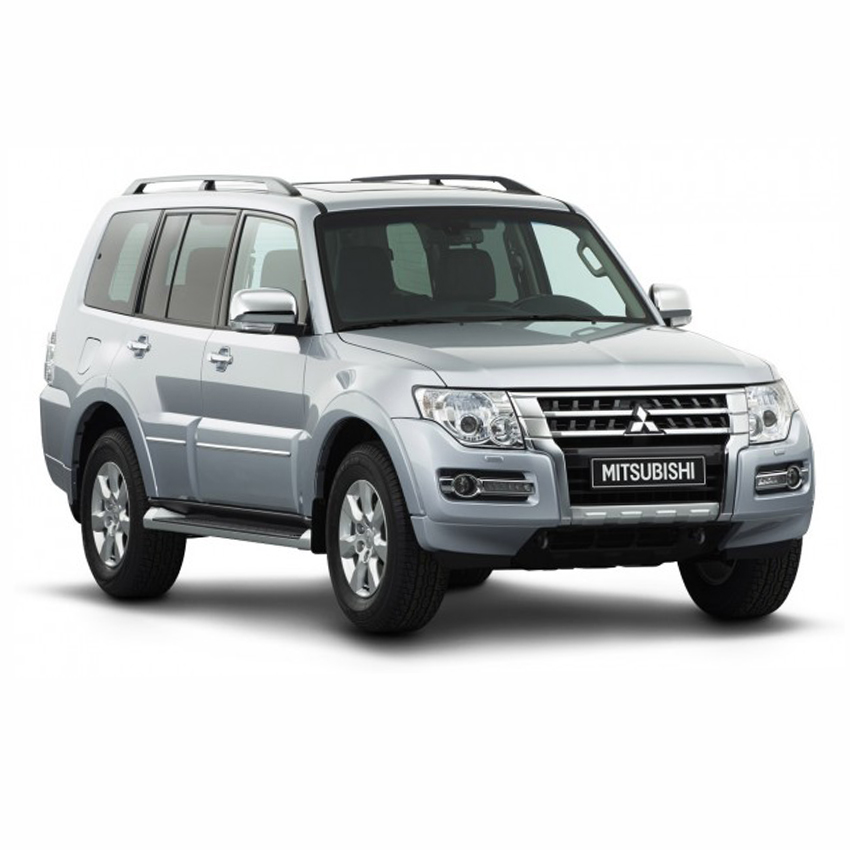 Why the Mitsubishi Pajero Stands Out in the SUV Market
The Mitsubishi Pajero sets itself apart from other SUVs with its serious off-road capabilities. Unlike many soft-roaders, it features a body-on-frame construction. This design enhances durability and handling on rough terrain. It also improves towing capacity and resistance to twisting forces.
Additionally, the Pajero includes Mitsubishi’s Super Select 4WD system. This advanced feature allows drivers to switch between 2H, 4H, 4HLc, and 4LLc modes on the fly. As a result, it performs well on highways, muddy trails, and steep inclines. Few vehicles offer this level of flexibility.
Its long wheelbase and high ground clearance improve stability. Approach, departure, and breakover angles are optimized for obstacle clearance. These traits make the Mitsubishi Pajero ideal for remote adventures.
Moreover, the interior balances comfort with functionality. Seats are supportive for long drives. Storage compartments keep gear organized. Climate control and audio systems add convenience. This blend of toughness and comfort explains its lasting appeal.
Reliability and Durability in Harsh Conditions
One of the biggest reasons the Mitsubishi Pajero remains popular is its proven reliability. Owners regularly report over 300,000 kilometers with minimal major repairs. Engines like the 3.2L DI-D diesel and 3.5L V6 gasoline are known for longevity.
These powertrains handle heat, dust, and humidity without failing. Cooling systems are robust. Air filters are large and easy to replace. Electrical components are sealed against moisture.
In desert regions like the Middle East, the Pajero is a preferred choice. It withstands sandstorms and extreme heat. Many taxis and utility fleets use it for daily service.
In Southeast Asia, it navigates muddy roads and flooded areas. Its high air intake prevents water ingestion. Skid plates protect the engine and fuel tank.
Even in snowy climates, it performs well when equipped with proper tires. The 4WD system provides excellent traction. Drivers trust it in blizzards and icy passes.
Regular maintenance keeps it running smoothly. Parts are widely available in many countries. Mechanics are familiar with its design. This support network increases its dependability.
 Key Generations
The Mitsubishi Pajero has gone through four main generations, each improving on the last. The first generation (1982–1991) introduced the SUV to the world. It was compact and lightweight. Early Dakar wins put it on the map.
The second generation (1991–1999) brought a more refined design. It offered longer wheelbases and improved suspension. This version gained popularity in export markets. Many still run today due to solid build quality.
The third generation (1999–2006) featured a bolder look and more comfort. It included updated engines and better interior materials. Safety features like ABS and dual airbags became standard. Off-road tech also improved.
The fourth generation (2006–2021) was the most advanced. It had a modern cabin, touchscreen infotainment, and electronic stability control. Diesel models received common-rail injection for better fuel economy.
Each generation built on the last. The Mitsubishi Pajero stayed true to its off-road roots while adapting to modern needs.
Notable Trim Levels and Special Editions
Over the years, the Mitsubishi Pajero has offered several trims to suit different buyers. The base GLX model included essential features and strong performance. It appealed to budget-conscious drivers who still wanted capability.
The mid-level GLS added comfort upgrades. It had alloy wheels, automatic climate control, and upgraded audio. Power windows and mirrors improved convenience.
The top-tier Exceed trim delivered luxury touches. Leather seats, wood trim, and automatic headlights elevated the experience. Some versions included navigation and rear entertainment.
Special editions also attracted attention. The Pajero Dakar Edition celebrated rally success. It had unique badging, suspension tuning, and desert-ready styling.
The Pajero Sport, a related but smaller model, targeted urban users. It shared some design cues but used a different platform.
These trims ensured the Mitsubishi Pajero could serve a wide range of needs—from work vehicles to family SUVs.
 Performance and Engine Options
The Mitsubishi Pajero offered a variety of engines across markets. In Europe and the Middle East, the 3.2L DI-D turbo diesel was the most popular. It produced around 178 horsepower and 400 Nm of torque. This engine delivered strong low-end power and good fuel efficiency.
In Japan and North America, the 3.5L V6 gasoline engine was common. It generated up to 205 horsepower and offered smooth acceleration. Paired with a 5-speed automatic, it provided a comfortable driving experience.
Later models included a 3.8L V6 with MIVEC technology. This increased power to 250 horsepower. It improved highway passing and towing performance.
All engines worked with Mitsubishi’s INVECS-II or INVECS-III automatic transmissions. These systems adapted to driving style and road conditions. Shifts were smooth and well-timed.
Fuel economy varied. Diesel models averaged 9–11 L/100km. Gasoline versions used 12–14 L/100km. Off-road driving naturally increased consumption.
Engine reliability remained high. Many owners never faced major mechanical issues. This consistency strengthened the Pajero’s reputation.
Off-Road Technology That Made the Pajero Legendary
The Mitsubishi Pajero earned its fame through advanced off-road systems. The Super Select 4WD (SS4) was its standout feature. Drivers could engage full-time four-wheel drive at speeds up to 100 km/h. This was rare among SUVs.
The system included a center differential lock. This balanced power between front and rear axles. In 4HLc mode, it improved grip on slippery roads.
For extreme conditions, 4LLc activated low-range gearing. This multiplied torque and gave precise control on steep descents. Hill Descent Control was added in later models. It managed speed without brake fatigue.
Rear differential locks were available on higher trims. These sent equal power to both rear wheels. This prevented single-wheel spin in mud or sand.
Electronic stability control and traction control helped on paved roads. Sensors detected loss of grip and adjusted power.
Combined, these systems made the Mitsubishi Pajero capable of tackling almost any terrain. It could climb rocks, cross rivers, and survive desert crossings. This performance made it a favorite among adventurers.
Global Popularity and Regional Differences
The Mitsubishi Pajero gained a massive following worldwide. In the Middle East, it became a symbol of strength and status. Families and businesses relied on it for daily use. Its durability made it ideal for long desert trips.
In Australia, it competed with the Toyota Land Cruiser. Many owners used it for camping and remote work. Aftermarket support grew quickly. Lift kits, bull bars, and roof racks were common.
In Latin America, the Pajero served as a police and military vehicle. Governments valued its reliability and availability. Used imports from Japan were affordable and plentiful.
In Europe, it remained popular in rural areas. Farmers and outdoor enthusiasts appreciated its traction and cargo space. However, stricter emissions rules reduced diesel sales over time.
In Africa, it operated in mining and aid operations. Its ability to run on poor fuel and rough roads made it essential. Mechanics could repair it with basic tools.
This global reach proved the Mitsubishi Pajero was more than just a car—it was a tool for survival.
Aftermarket Support and Customization Options
Even after production ended, the Mitsubishi Pajero enjoys strong aftermarket support. Companies worldwide produce performance parts. Lift kits increase ground clearance. Heavy-duty suspensions handle rocky trails.
Aftermarket wheels and all-terrain tires improve grip. Bull bars and winches add protection and recovery ability. Snorkels allow deep-water fording.
Interior upgrades include LED lighting, upgraded sound systems, and seat covers. Roof tents turn the Pajero into a mobile basecamp.
Performance tuners offer ECU remapping. This boosts horsepower and torque in diesel models. Exhaust and intake upgrades improve airflow.
Many owners restore old Pajeros. They replace rusted panels and refresh interiors. These projects preserve the SUV’s legacy.
Online forums and clubs connect fans. They share tips, parts sources, and travel routes. This community keeps the Mitsubishi Pajero alive.
 Frequently Asked Questions
Is the Mitsubishi Pajero still in production? No. Production ended in 2021.
What is the best engine for off-roading? The 3.2L DI-D diesel is most reliable.
Does it have third-row seating? Yes. Many models seat up to seven.
Is spare part availability good? Yes. Parts are widely available globally.
Can it handle deep water? Yes. With a snorkel, it can ford up to 70 cm.
What is its fuel consumption? Diesel models use 9–11 L/100km.
Is it suitable for daily driving? Yes. It’s comfortable on roads too.
Where is the Pajero most popular? Middle East, Australia, and Africa.
Final Thoughts
The Mitsubishi Pajero remains a legend in the automotive world. Its blend of off-road prowess, comfort, and reliability made it a top choice for decades. Even with production discontinued, it continues to inspire admiration.
From Dakar victories to family road trips, it served many roles. Its engineering set standards for SUV design. Today, used models hold value well.
For off-road lovers and collectors, the Mitsubishi Pajero is more than a vehicle—it’s a symbol of adventure. Whether restoring one or driving it into the wild, owners carry on its bold spirit.