What Is a Conch Piercing? A Guide to This Stylish Ear Trend
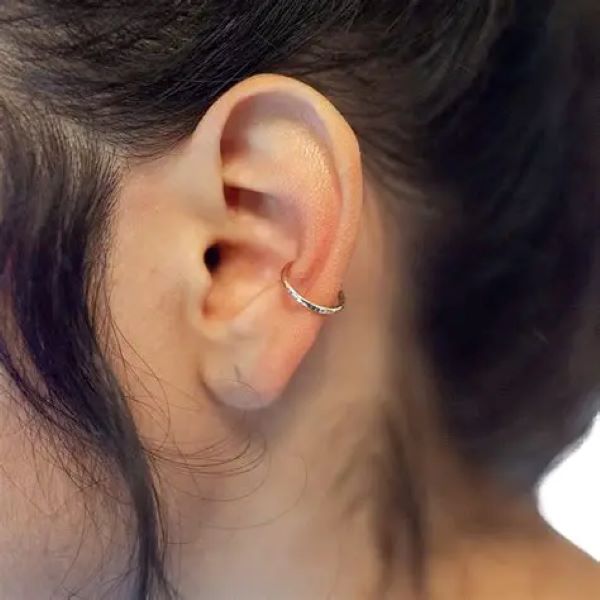
A conch piercing has become one of the most popular ear piercings in recent years. Known for its bold yet elegant look, it adds a unique touch to any jewelry collection. But what is a conch piercing exactly? It is a piercing placed in the large, bowl-shaped area of the outer ear called the conch. This area sits just inside the ear rim and can support multiple jewelry styles. Whether you choose a stud, hoop, or barbell, the conch offers a striking canvas for self-expression.
Moreover, there are two types: inner and outer conch piercings. The outer version goes through the cartilage near the edge of the ear. The inner conch is set deeper, closer to the ear canal. Both require professional placement and proper aftercare. As more people embrace body art, understanding what is a conch piercing helps you make informed decisions. Transitioning from curiosity to confidence starts with knowing the facts.
 Anatomy of the Ear: Where the Conch Is Located
Understanding the Structure Before Getting Pierced
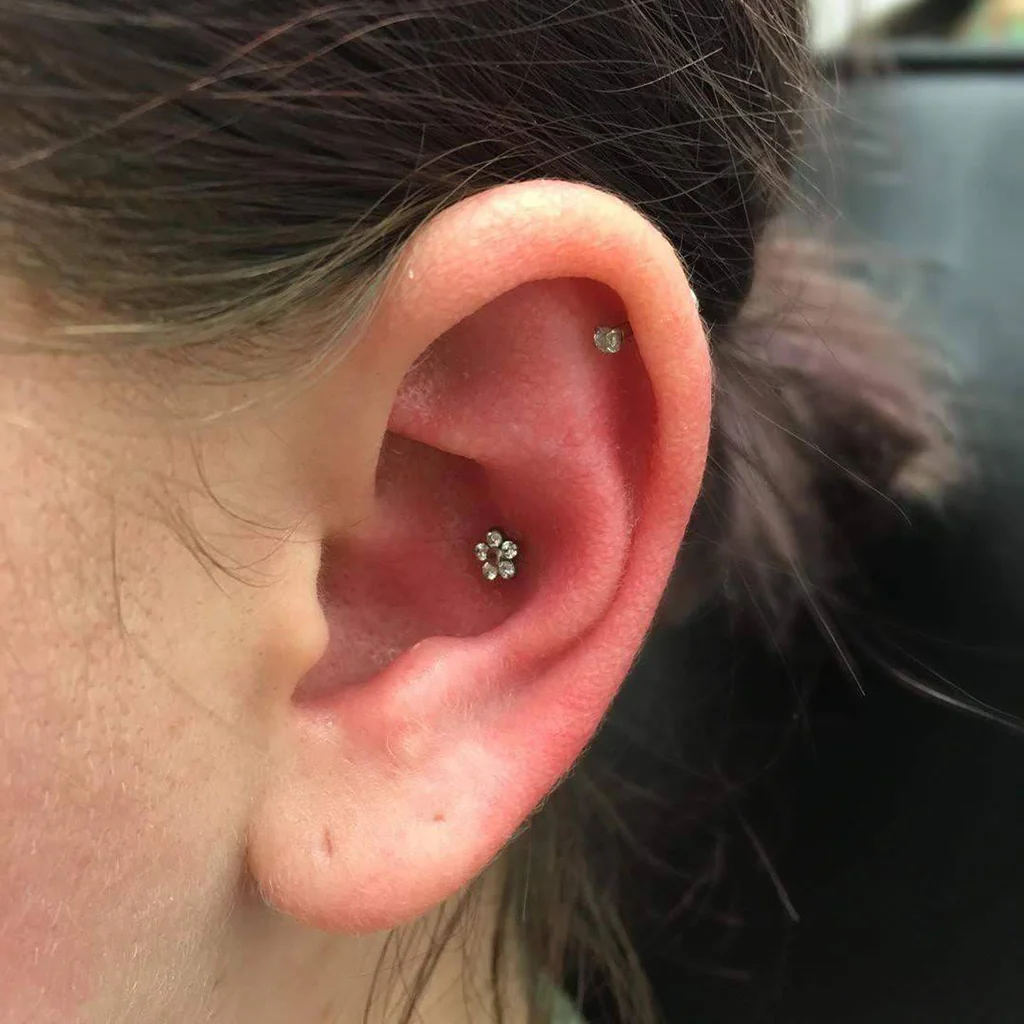
To fully understand what is a conch piercing, you need to know ear anatomy. The conch is a hollow, shell-like structure in the middle of the outer ear. Its name comes from the sea shell, which it resembles. This area is made of dense cartilage, not soft tissue. That makes the piercing process more intense than a lobe piercing.
The outer conch sits in the upper-middle part of the ear. It’s flatter and easier to access. The inner conch is deeper, nestled near the entrance of the ear canal. It has a curved surface. This requires more precision during piercing.
The antihelix and helix surround the conch. These are also common piercing spots. Some people combine conch piercings with these for a curated ear design.
Because of its structure, the conch supports various jewelry types. Flat-back studs work well. So do curved barbells and small hoops. The size of your conch determines what fits best.
Always consult a professional piercer. They assess your ear shape and recommend the ideal placement.
Transitioning from general knowledge to personal fit ensures a successful result.
Types of Conch Piercings: Inner vs. Outer
Choosing the Right Placement for Your Look
There are two main types when you explore what is a conch piercing. The outer conch is placed in the cartilage near the rim. It’s more visible and often done as a standalone piece. This type heals slightly faster due to better blood flow.
The inner conch is deeper and less exposed. It sits in the central bowl of the ear. This spot gives a subtle, hidden elegance. Some people prefer this for a minimalist aesthetic. Others choose both inner and outer for symmetry.
Outer conch piercings are easier to clean. They receive more air and light. Inner ones are more enclosed. This can slow healing and increase infection risk if not cared for.
Jewelry choice varies by location. Outer conch suits small hoops or flat studs. Inner conch often uses labret studs or push-back earrings. These sit flush and avoid pressure.
Double conch piercings are trendy. One on each side creates balance. Some people line up multiple studs in a row. This is known as a conch constellation.
Your piercer helps decide the best option. They consider ear thickness, shape, and healing ability.
Transitioning from choice to action requires expert guidance.
 The Piercing Process: What to Expect
Step-by-Step Guide from Consultation to Needle
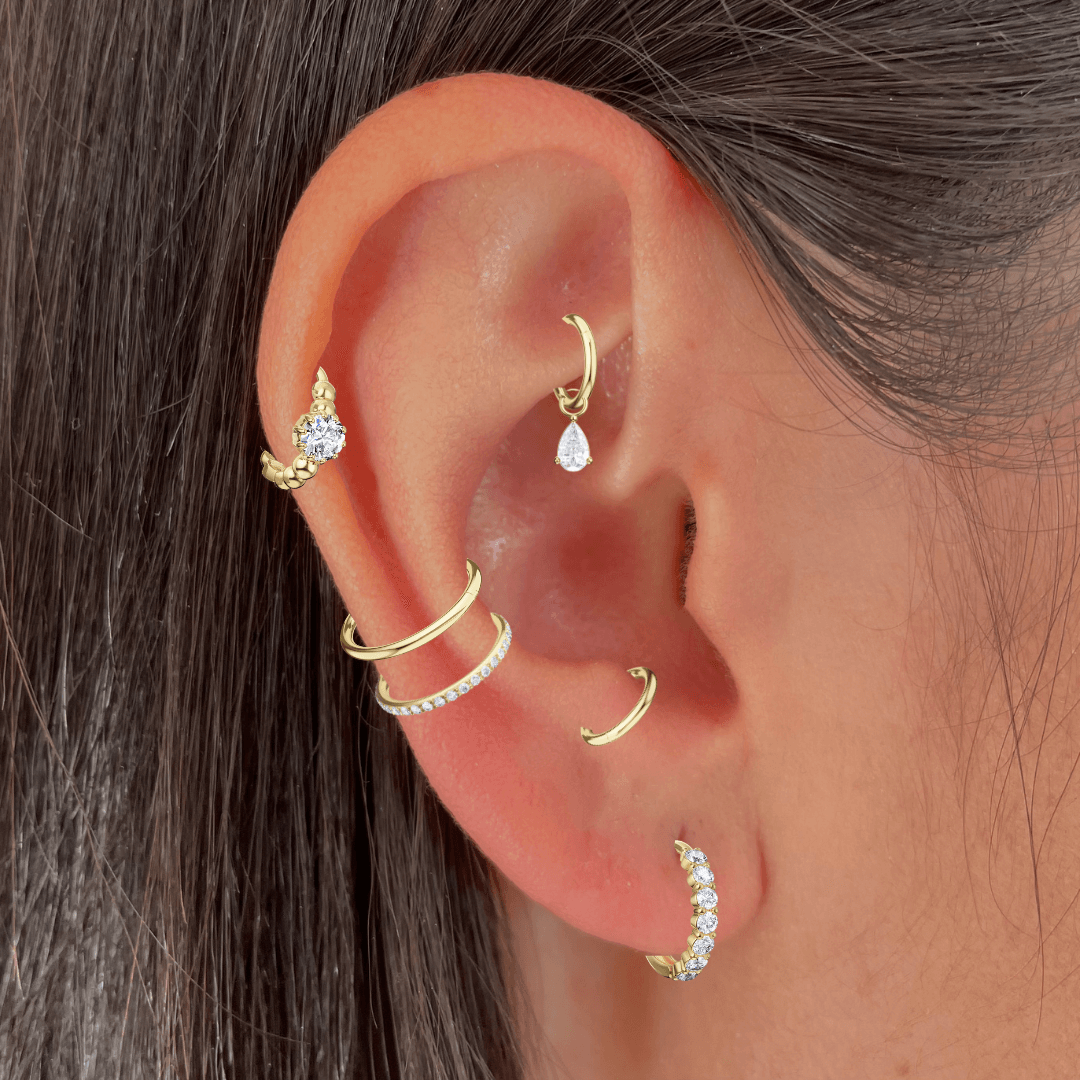
Understanding what is a conch piercing includes knowing how it’s done. The process starts with a consultation. The piercer examines your ear. They mark the spot with a surgical pen. This ensures symmetry and proper placement.
Next, they clean the area with antiseptic. You must avoid touching the marked spot. The piercer uses surgical gloves and sterile tools. A hollow needle pushes through the cartilage. It’s quick but intense. You feel pressure and a sharp pinch.
After the needle passes, the jewelry is inserted. For conch piercings, this is often a labret stud or curved barbell. The back secures tightly. Some studios use captive bead rings, but studs are safer for healing.
The entire process takes under ten minutes. No numbing is used. Most people describe the pain as moderate. It’s stronger than a lobe but less than a daith.
You may feel throbbing afterward. This lasts a few hours. Swelling and redness are normal. Use a cold pack wrapped in cloth to reduce discomfort.
Avoid touching the piercing with dirty hands. Keep hair and clothing away during healing.
Transitioning from fear to confidence comes with preparation.
Pain Level and Healing Time Explained
How Long It Takes and What It Feels Like
Pain is a common concern when learning what is a conch piercing. Most people rate it between 5 and 7 on a 10-point scale. The outer conch feels sharper. The inner conch may ache more due to depth. Pain fades quickly after the needle.
Healing takes time. Outer conch piercings heal in 4 to 6 months. Inner conch piercings take 6 to 9 months. Cartilage heals slower than soft tissue. Rushing the process leads to complications.
Signs of healing include reduced redness and no discharge. The area stops being tender. You can gently move the jewelry without pain.
Avoid changing jewelry too soon. Wait until fully healed. Early changes cause irritation or infection.
During healing, the piercing may feel warm. This is normal. But constant heat, pus, or severe pain requires a doctor.
Sleeping on the side can delay healing. Use a travel pillow or roll a clean towel. Elevate the ear to reduce swelling.
Patience is key. Healing varies by person. Factors include hygiene, health, and aftercare.
Transitioning from fresh piercing to healed jewelry takes discipline.
 Jewelry Options for Your Conch Piercing
Studs, Hoops, and Barbell Styles
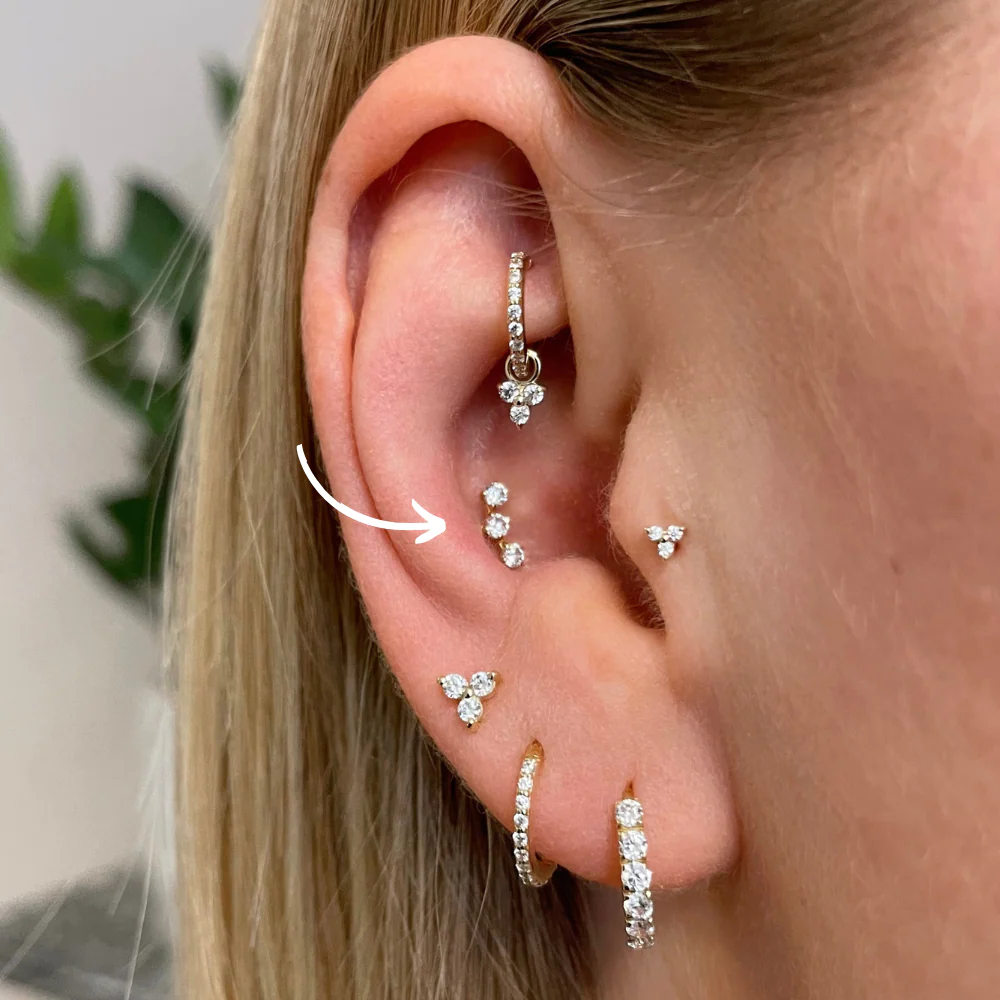
Once healed, you can explore different jewelry for your conch piercing. Flat-back labret studs are ideal for daily wear. They sit snug and don’t catch on hair. Use titanium, surgical steel, or gold. These materials reduce irritation.
Hoop earrings like captive bead rings or seamless rings add flair. Small diameters (6mm–8mm) fit best. Larger hoops may not close properly.
Curved barbells offer a unique look. They follow the curve of the ear. These work well for outer conch placements.
For inner conch, push-back earrings are safer. They have no sharp ends. They reduce pressure during sleep.
Decorative options include gemstones, opals, or pearl tips. These add elegance. Avoid heavy jewelry during healing.
Change styles based on occasion. Use simple studs for work. Try hoops for nights out.
Always clean new jewelry before inserting. Use alcohol wipes or boiling water.
Transitioning from basic to bold lets your personality shine.
Aftercare Routine for a Healthy Healing Process
Cleaning, Touching, and Avoiding Infection
Proper aftercare is critical when you get a conch piercing. Start cleaning 24 hours after the procedure. Use saline solution twice a day. Spray it on the area. Let it sit for 30 seconds. Gently remove crust with a cotton swab.
Do not use alcohol, hydrogen peroxide, or ointments. These dry the skin and slow healing. Avoid twisting the jewelry. This irritates the piercing and introduces bacteria.
Wash your hands before touching the area. Even during cleaning, minimize contact. Use clean towels and pillowcases. Change them every few days.
Keep hair products away. Hairspray, gel, and oil can clog the piercing. Tie hair back when showering.
Avoid swimming in pools, lakes, or hot tubs. Chlorine and bacteria increase infection risk. Wait until fully healed.
Showering is fine. Rinse the piercing gently with water. Avoid direct spray. Pat dry with a clean paper towel.
If you see yellow or green discharge, red streaks, or extreme swelling, see a professional.
Transitioning from care to caution prevents setbacks.
 Frequently Asked Questions About What Is a Conch Piercing
Does a conch piercing hurt a lot? It’s moderate. More than a lobe, less than some other cartilage piercings.
How long does it take to heal? 4–9 months, depending on placement and care.
Can I sleep on my conch piercing? Not at first. It delays healing and causes irritation.
Is it safe to change jewelry early? No. Wait until fully healed.
Can I get an inner and outer conch at once? Yes. Many do. But healing takes longer.
What metal is best for sensitive skin? Titanium or surgical steel.
Does hair get caught in the jewelry? Yes, especially with hoops. Use studs during healing.
Can I wear headphones? Over-ear ones may press on the piercing. Use earbuds instead.
Final Thoughts on What Is a Conch Piercing
Understanding what is a conch piercing helps you make a safe, stylish choice. From placement to healing, each step matters. This piercing offers boldness with elegance. It fits many tastes and styles.
With proper care and professional help, your conch piercing can be a lasting form of expression. Make informed decisions. Follow aftercare rules. Enjoy the journey from first piercing to healed beauty. What is a conch piercing? It’s more than a trend—it’s a statement.